
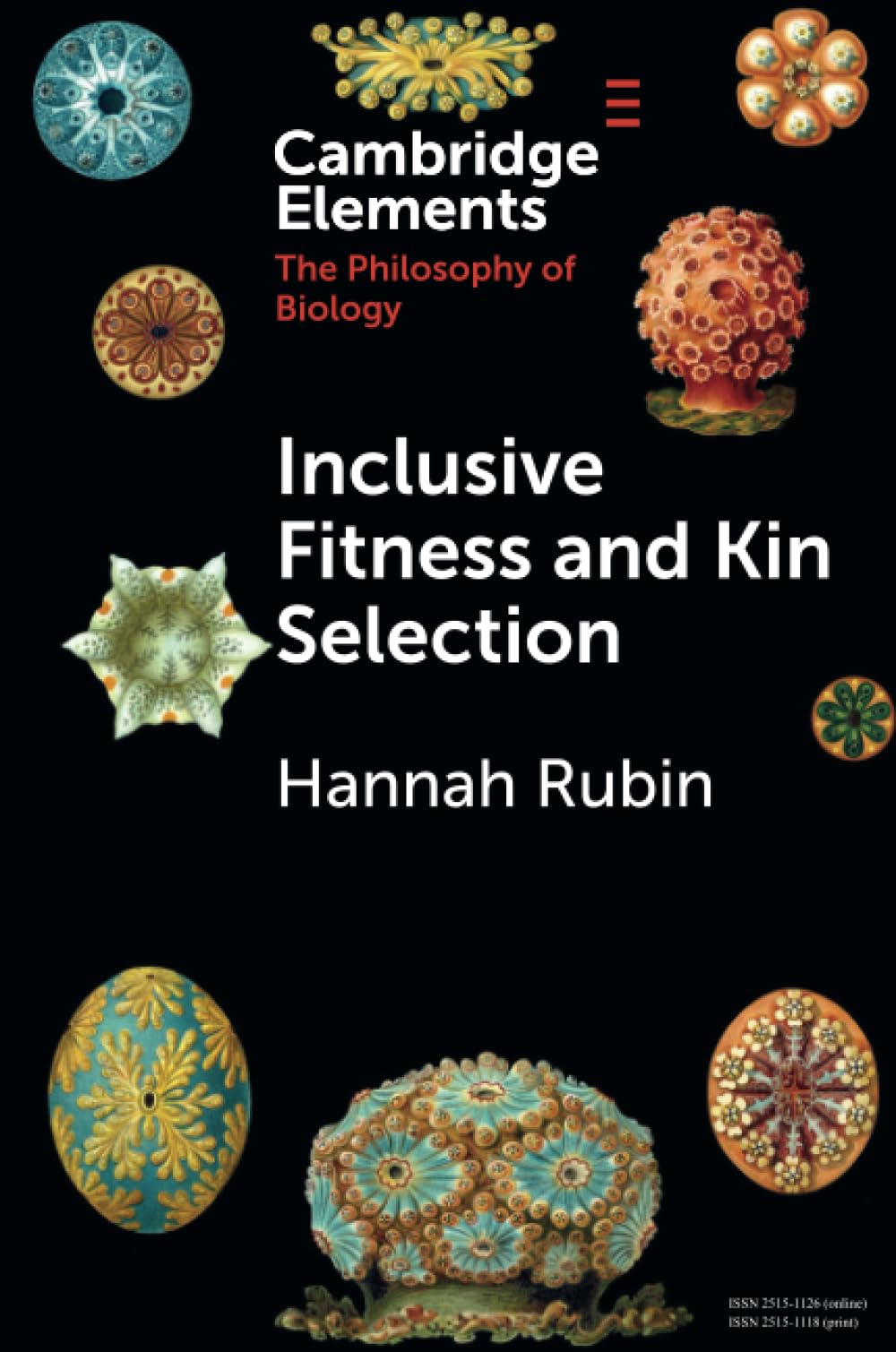
Description
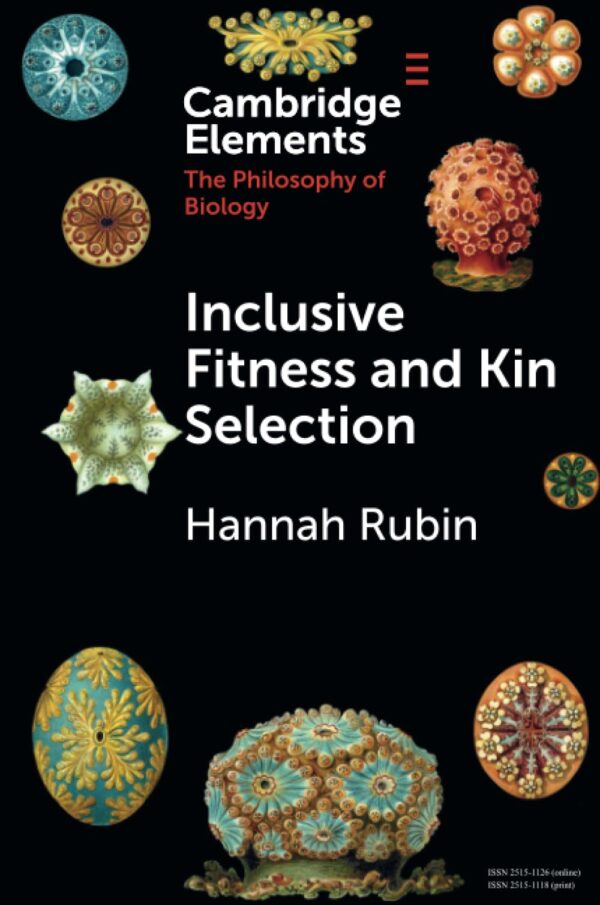
This Element provides a comprehensive philosophical examination of inclusive fitness and kin selection theory, two foundational concepts in evolutionary biology. The author analyzes how the concept of inclusive fitness—the total genetic contribution an organism makes to future generations—has shaped our understanding of altruism, cooperation, and social behavior.
The book explores the historical development of kin selection theory, originally proposed by William Hamilton, and its role in explaining why organisms invest resources in helping their relatives. Rubin examines the mathematical foundations, conceptual clarity, and empirical applications of these theories. She addresses philosophical questions about the nature of fitness, the measurement of genetic relatedness, and the explanatory power of kin selection in understanding biological phenomena.
Through careful analysis, the Element clarifies misconceptions about these theories and demonstrates their continued relevance in modern evolutionary biology and beyond.
Reviews
There are no reviews yet.