
Description
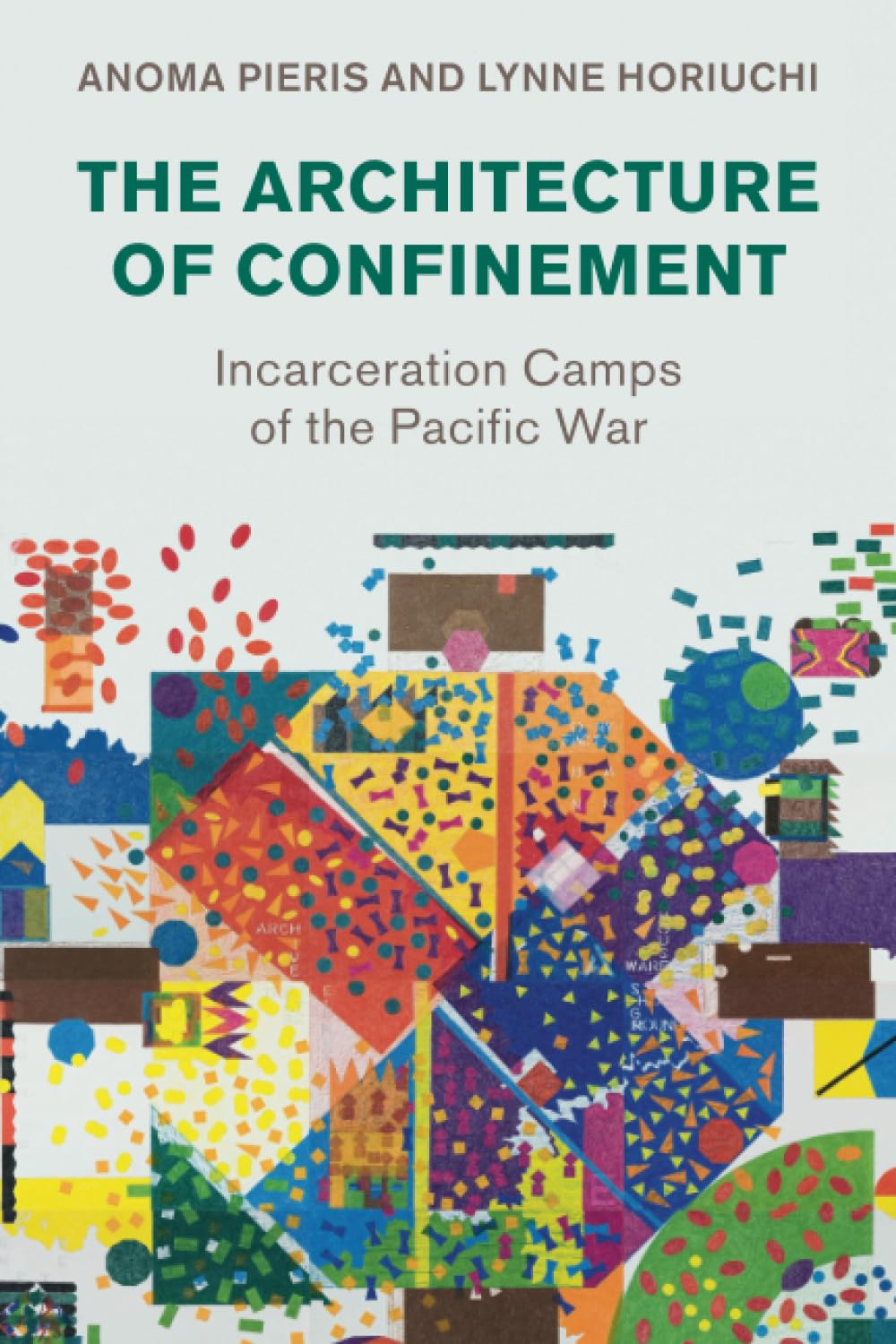
The Architecture of Confinement explores the pivotal role that architectural design and spatial planning played in the establishment and operation of incarceration camps throughout the Pacific Theater during World War II. Through detailed historical analysis, authors Anoma Pieris and Lynne Horiuchi investigate how built environments were deliberately constructed to facilitate control, surveillance, and containment of prisoners of war and civilian internees.
This interdisciplinary study combines architectural history with social and cultural analysis to reveal how camp layouts, building structures, and spatial organization reflected and reinforced power dynamics and dehumanizing practices. By examining camp designs across different regions and contexts, the authors demonstrate the systematic ways in which architecture functioned as a tool of confinement. The book contributes significantly to our understanding of how physical spaces were weaponized during wartime and offers crucial insights into the relationship between design, authority, and human experience in confined settings.






Reviews
There are no reviews yet.