Description
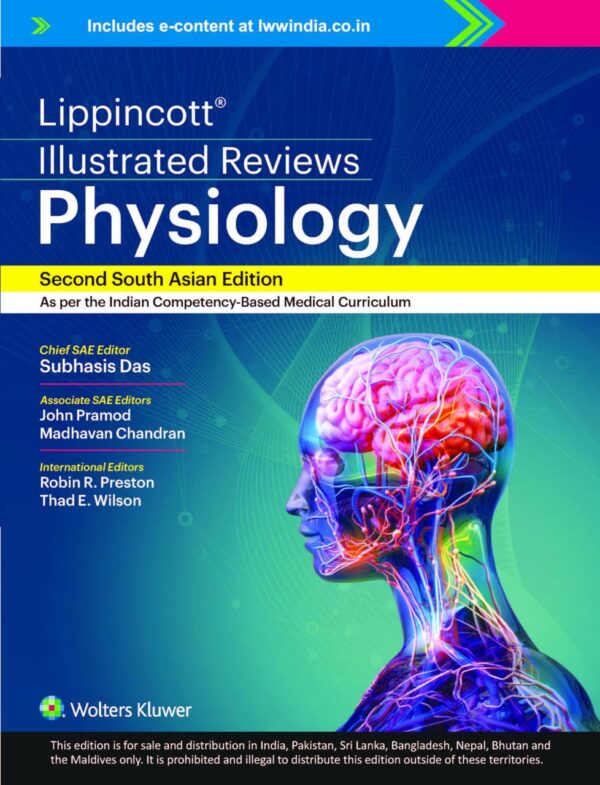
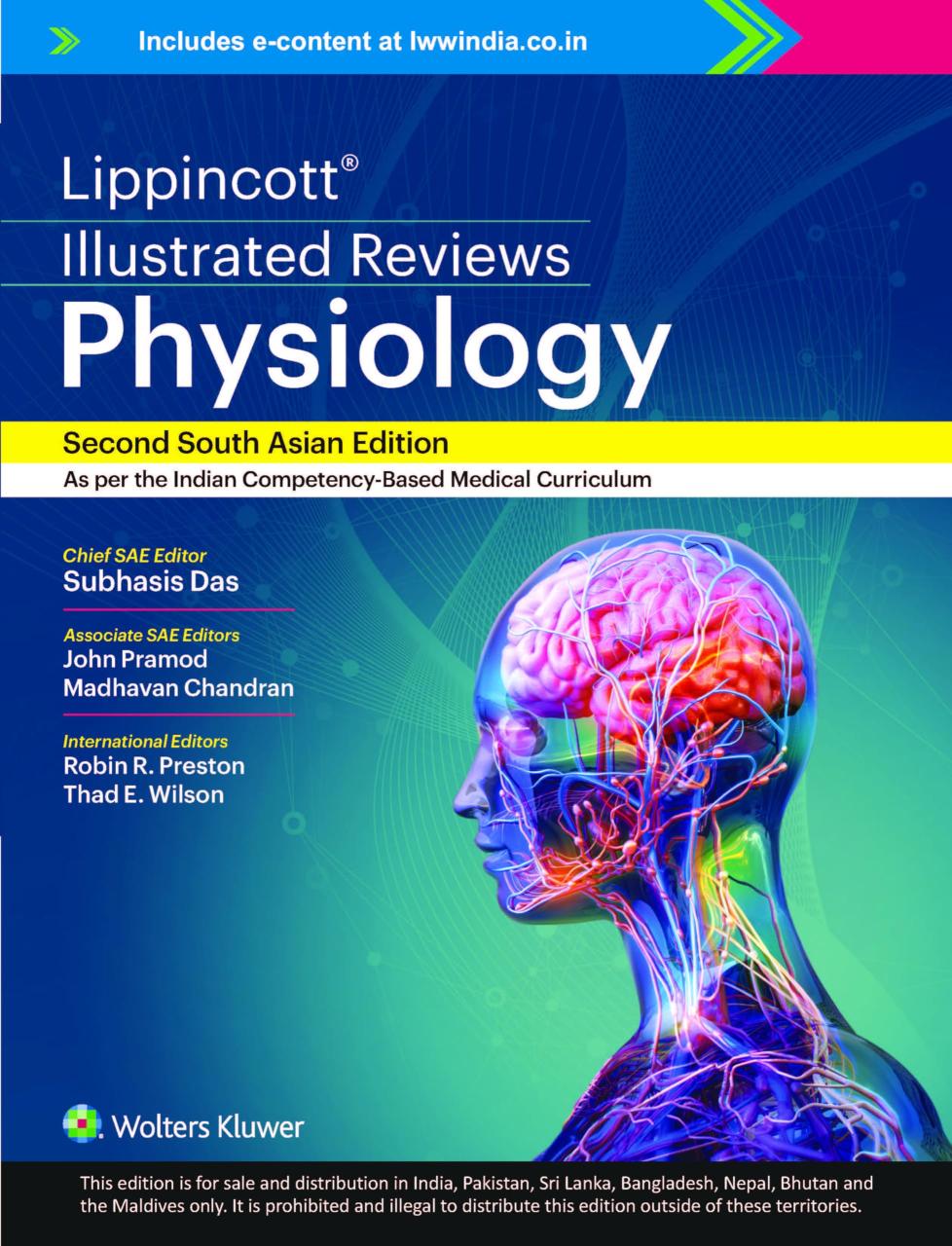
If you’re an MBBS or medical student in India looking for a physiology textbook that actually makes complex concepts click, this South Asian edition of Lippincott Illustrated Reviews Physiology is worth serious consideration. What sets this apart from dense Indian physiology texts is its visual learning approach—over 770 pages packed with full-color illustrations, flowcharts, and clinical correlations that help you see how systems connect rather than just memorizing facts. The 2nd South Asian edition is specifically adapted for the Indian medical curriculum, making it relevant for your university exams and competitive exams like NEET PG and INICET. Each chapter follows a consistent format: clear explanations of physiological principles, clinical applications that show why this matters in practice, and review questions that mirror exam patterns. The book covers everything from cellular physiology and neurophysiology to cardiovascular, respiratory, renal, and gastrointestinal systems with remarkable clarity. Published by Wolters Kluwer India in October 2022, this edition balances comprehensive coverage with readability—ideal for building strong fundamentals during preclinical years and quick revision before exams.
- ISBN-10: 9395736526
- ISBN-13: 978-9395736527
- Publisher: Wolters Kluwer India
- Publication date: 1 October 2022
- Language: English
- Dimensions: 20.3 x 25.4 x 4.7 cm
- Print length: 770 pages
Frequently Asked Questions
Is Lippincott Physiology good for MBBS students in India?
Yes, Lippincott Illustrated Reviews Physiology is excellent for Indian MBBS students. The 2nd South Asian edition is adapted for the Indian medical curriculum with relevant clinical cases and exam-oriented content. Its visual learning approach with illustrations and flowcharts helps students understand complex physiological concepts more effectively than traditional textbooks.
Which edition of Lippincott Physiology is best for NEET PG preparation?
The 2nd South Asian edition is ideal for NEET PG preparation as it’s specifically tailored for Indian medical exams. It covers all physiology topics tested in NEET PG with clinical correlations and review questions that match competitive exam patterns. The systematic, illustration-rich format also makes it excellent for quick revision during exam preparation.
What is the difference between Lippincott Physiology and Guyton Physiology?
Lippincott Illustrated Reviews Physiology emphasizes visual learning with extensive illustrations, flowcharts, and concise explanations, making it more student-friendly for quick understanding. Guyton is more detailed and reference-oriented. Many Indian medical students use Lippincott for initial learning and exam preparation, while keeping Guyton for deeper reference when needed.
How many pages are in Lippincott Physiology South Asian edition?
The 2nd South Asian edition of Lippincott Illustrated Reviews Physiology contains 770 pages. Despite being comprehensive, the book’s visual format with color illustrations and organized layout makes it easier to navigate compared to denser physiology textbooks of similar length.
Is the South Asian edition of Lippincott Physiology different from the international edition?
Yes, the South Asian edition includes adaptations for the Indian medical curriculum, with region-specific clinical cases, disease prevalence data relevant to India, and content organization aligned with Indian university syllabi. It also considers exam patterns of NEET PG and other Indian medical entrance exams, making it more relevant than the international edition for Indian students.