Description
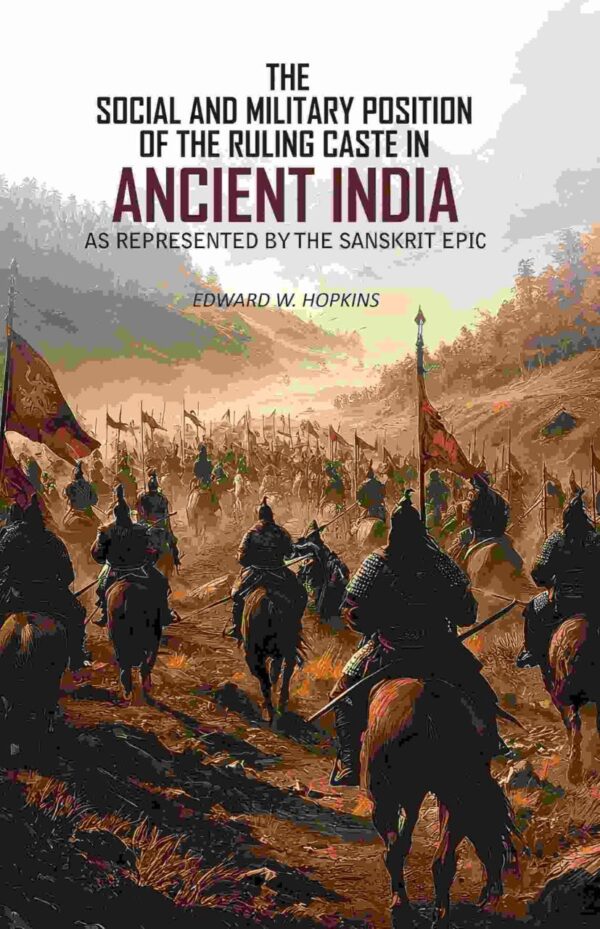
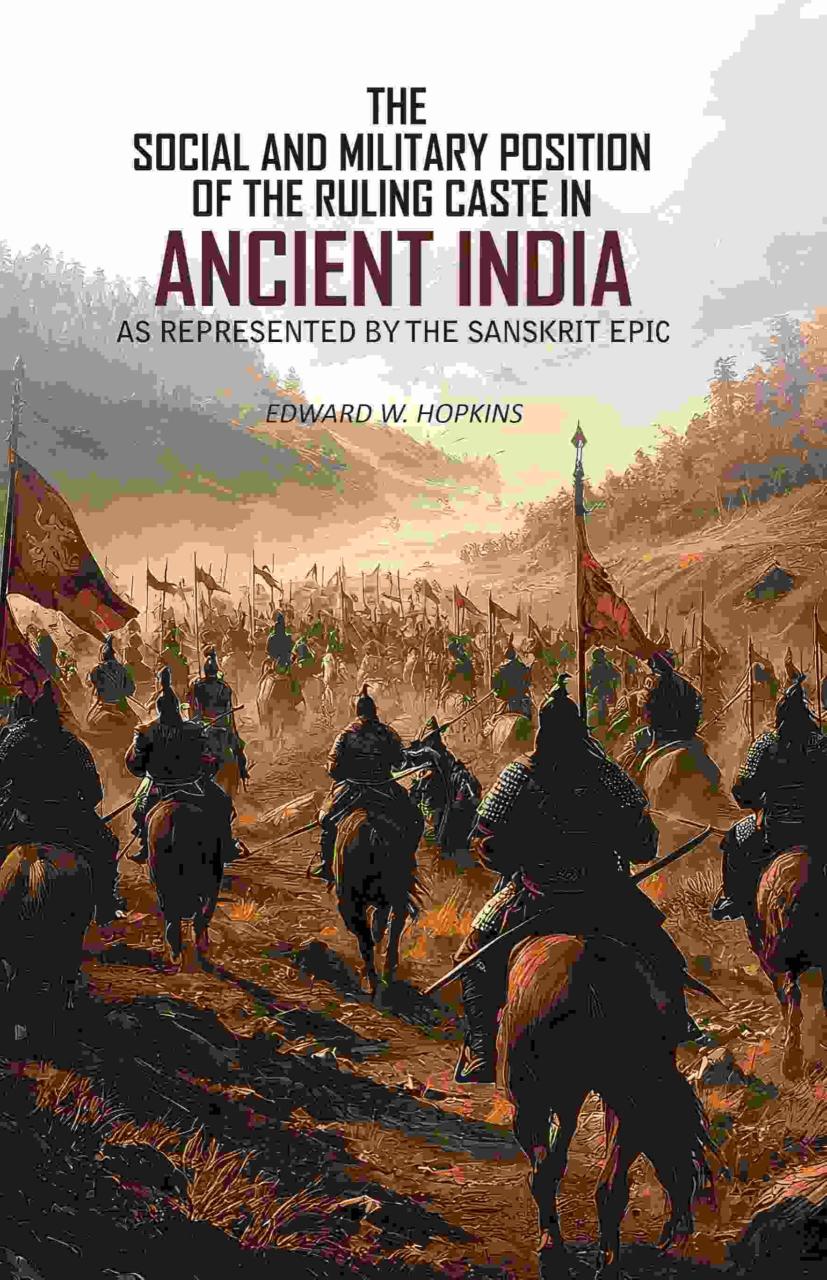
This scholarly work provides a detailed examination of how power, social hierarchy, and military leadership were represented in ancient Indian society, as documented in the Sanskrit epics. Spanning 355 pages, it analyzes the portrayal of ruling classes, their responsibilities, and their position within the broader social fabric. Ideal for history students, researchers, and anyone interested in understanding the cultural and organizational structures that shaped ancient Indian civilization. The book combines primary textual analysis with historical interpretation, making it invaluable for academic study and general readers curious about how ancient texts reflect real social systems.
- Reading age: 12 years and up
- Print length: 355 pages
- Language: English
- Dimensions: 22.59 x 14.34 x 3.55 cm
- Publisher: Gyan Publishing House
- Publication date: 1 January 2025
- ISBN-10: 9370976299
- ISBN-13: 978-9370976290
Frequently Asked Questions
What does this book cover about ancient Indian society?
This book analyzes the social structure and military role of the ruling caste in ancient India as portrayed in Sanskrit epics. It examines how power was organized, how the ruling class maintained their position, and their responsibilities in society, providing historical insight into pre-modern Indian civilization.
Is this book suitable for history students?
Yes, this 355-page scholarly work is excellent for history and humanities students researching ancient India. It offers detailed textual analysis of Sanskrit epics and connects literary representations to historical understanding of social hierarchies.
Can I buy this book online in India?
Yes, you can purchase this hardcover edition at The Bookish Owl, an online bookstore in India. The book is in stock and available for delivery across the country.
What Sanskrit epics does this book focus on?
While the book draws from Sanskrit epic literature, it primarily examines how the Mahabharata and Ramayana represent the ruling caste’s position, authority, and military functions in ancient Indian society.
Who should read this book?
This book is ideal for history researchers, university students, academics studying ancient Indian civilization, and general readers interested in understanding how classical texts reflect social organization and cultural values.