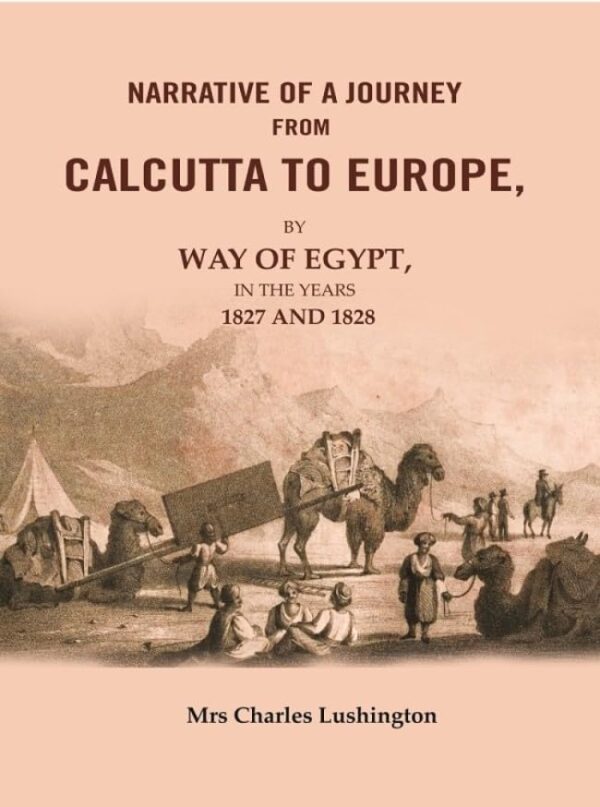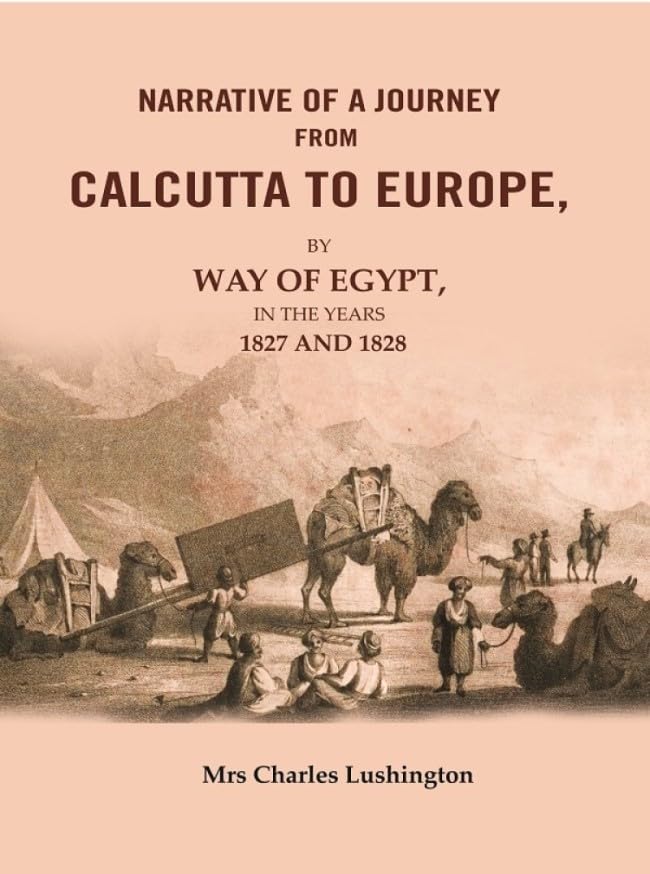
Description
This is a rare window into early 19th-century travel through the lens of an Indian journeyer. Written during a period when journeys between India and Europe were arduous undertakings, this narrative captures both the mechanical details of travel and the human experience of crossing continents—from the Suez region to the shores of Europe. For readers fascinated by Indian history, colonialism, and travel literature, this restored edition offers an authentic historical voice often missing from mainstream narratives. Whether you’re researching Indian perspectives on world travel, collecting classic travel literature, or simply intrigued by how people experienced distant lands before modern transportation, this 303-page account is a compelling primary source that deserves space on your shelf.
- Reading age: 12 years and up
- Print length: 303 pages
- Language: English
- Dimensions: 28.94 x 22.59 x 3.03 cm
- Publisher: Gyan Publishing House
- Publication date: 1 January 2025
- ISBN-10: 9369206299
- ISBN-13: 978-9369206292
Frequently Asked Questions
Is this a hardcover edition available in India?
Yes, this is a hardcover edition published by Gyan Publishing House and available for online purchase at The Bookish Owl. It features quality binding suitable for collectors and regular readers alike.
Who wrote this travel narrative and when was it originally published?
This is a historical travel account from 1827-1828, documenting a journey from Calcutta (modern-day Kolkata) to Europe via Egypt. This is a restored edition published in 2025 by Gyan Publishing House, making a classic Indian travel narrative accessible to modern readers.
How many pages does this book have?
The hardcover edition contains 303 pages, providing a comprehensive account of the journey across multiple continents and cultural encounters during the early 19th century.
What topics does this book cover?
The narrative covers travel experiences from Calcutta through Egypt to Europe, including observations about culture, geography, social encounters, and the challenges of long-distance travel in the 1820s—valuable for understanding Indian perspectives during the colonial era.
Who would find this book interesting?
Historians, students of Indian history and colonial studies, travel literature enthusiasts, collectors of rare books, and anyone interested in 19th-century perspectives on India-Europe connections will find this narrative fascinating and historically significant.