Description
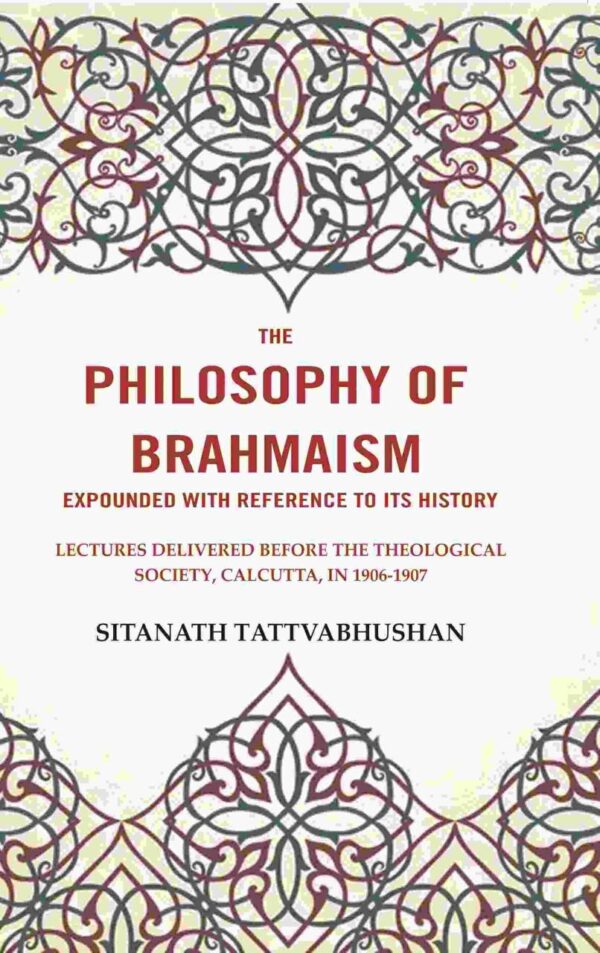
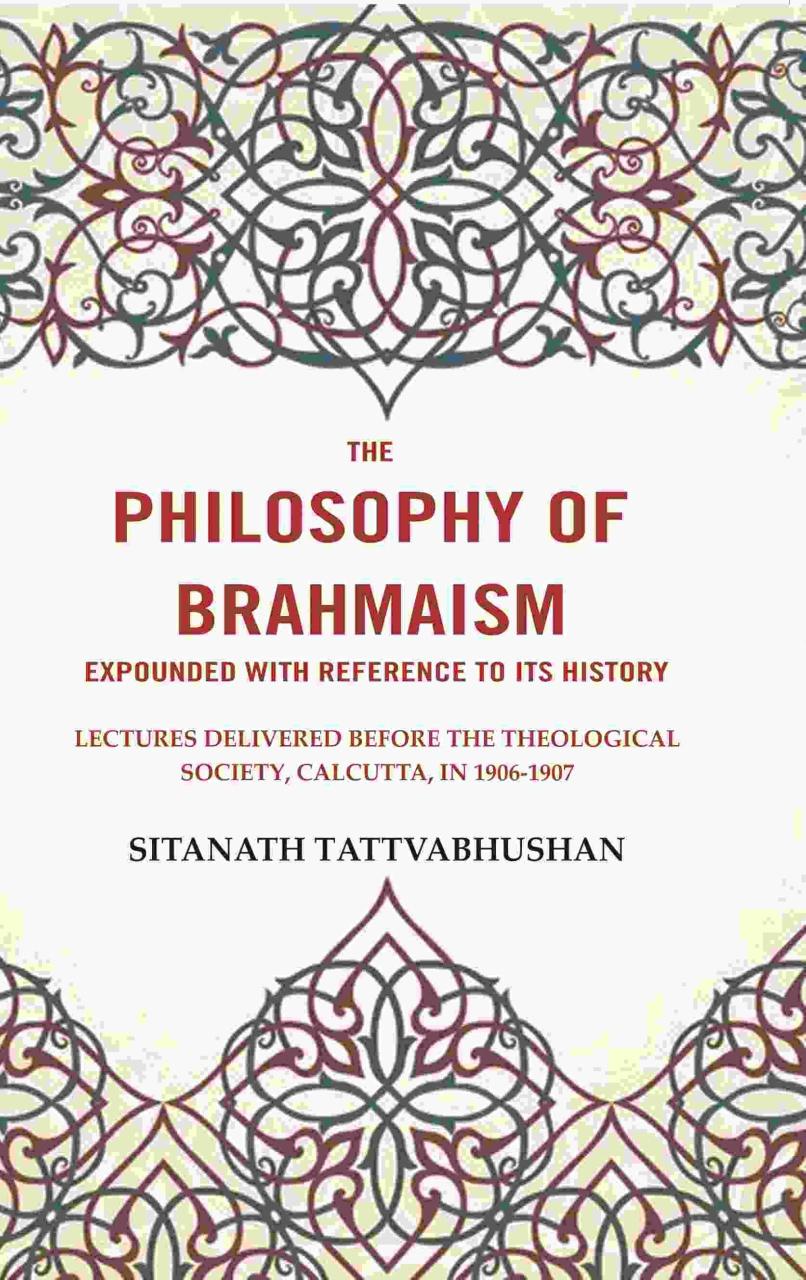
This is a remarkable historical document—original lectures on Brahmaism delivered before Calcutta’s Theological Society over a century ago. If you’re researching the Brahmo Samaj movement, 19th-century Indian philosophy, or the intellectual foundations of modern Hindu reform, this book offers primary-source insights you won’t find elsewhere. It’s dense, scholarly, and deeply rewarding for anyone studying India’s philosophical and religious evolution. Perfect for academics, philosophy students, and readers interested in how Indian thinkers reinterpreted ancient traditions during the colonial era. The 408 pages explore not just what Brahmaism teaches, but how it emerged from Indian history.
- Reading age: 12 years and up
- Print length: 408 pages
- Language: English
- Dimensions: 21.59 x 13.34 x 2.86 cm
- Publisher: Gyan Publishing House
- Publication date: 1 January 2024
- ISBN-10: 9367800207
- ISBN-13: 978-9367800201
Frequently Asked Questions
What is Brahmaism and how is it different from Hinduism?
Brahmaism is the philosophy of the Brahmo Samaj, a 19th-century Hindu reform movement that rejected idol worship and promoted monotheism and rationalism. Unlike classical Hinduism, Brahmaism emphasizes Vedantic philosophy and social reform. This book explains those philosophical distinctions through lectures that helped shape modern Indian religious thought.
Is this book suitable for academic study of Indian philosophy?
Yes, absolutely. As primary-source lectures from 1906-1907, this book is invaluable for anyone studying the Brahmo Samaj, 19th-century Indian intellectual history, or the evolution of Hindu reform movements. It’s particularly useful for students, researchers, and scholars of philosophy, history, and theology.
Can a beginner understand this book without prior knowledge of Indian philosophy?
This is a scholarly, dense text aimed at readers with some interest in Indian philosophy and religious history. Beginners might find it challenging, but it’s an excellent resource if you’re serious about understanding how Indian thinkers reinterpreted Vedantic philosophy during the colonial period.
What makes this 1906-1907 version historically significant?
These lectures were delivered at a crucial moment in Indian intellectual history—when the Brahmo Samaj was at its peak influence. The lectures capture the living debate about philosophy, theology, and social reform during the late British Raj, making this a primary historical document, not just a commentary.
Who should buy this book?
Philosophy students, academics researching Indian history and thought, Brahmo Samaj enthusiasts, and readers interested in 19th-century Indian religious reform. It’s also valuable for anyone studying comparative religion, Vedanta, or the intellectual foundations of modern India.