Description
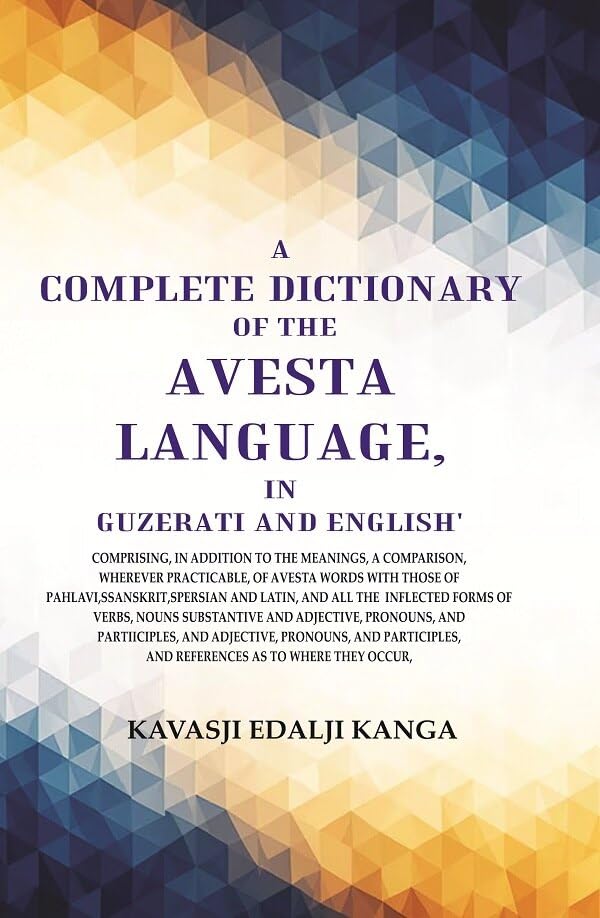
This comprehensive dictionary is an essential reference for scholars, linguistics students, and anyone studying Zoroastrian philosophy and ancient Persian texts. With 639 pages of detailed etymological comparisons between Avesta, Gujarati, and English, it bridges classical and modern language systems—making ancient sacred texts accessible to contemporary readers. Particularly valuable for religious studies departments, academic institutions, and serious enthusiasts of Indo-European languages and Zoroastrianism, this hardcover edition from Gyan Publishing House offers scholarly depth at an affordable price. Whether you’re researching Parsi heritage, comparative linguistics, or religious history, this dictionary transforms fragmented knowledge into a coherent, searchable resource.
- ISBN-10: 9364339177
- ISBN-13: 978-9364339179
- Publisher: Gyan Publishing House
- Publication date: 1 January 2024
- Language: English
- Dimensions: 22.59 x 14.34 x 6.39 cm
- Print length: 639 pages
Frequently Asked Questions
Is this a beginner-friendly Avesta dictionary?
This is a scholarly reference dictionary designed for intermediate to advanced readers—linguistics students, academics, and Zoroastrian scholars. It includes etymological comparisons alongside meanings, making it more detailed than an introductory guide but invaluable for serious study.
Can I use this to learn Avesta from scratch?
While comprehensive, this dictionary works best as a reference companion rather than a standalone learning tool. Pair it with introductory Avesta grammar texts for the best learning experience, especially if you’re new to ancient Persian languages.
Is the Gujarati content helpful for Parsi readers?
Yes, the Gujarati-English parallel structure makes this particularly valuable for Parsi communities and readers familiar with Gujarati. It bridges ancient Avesta with modern Indian languages, aiding cultural and linguistic understanding.
What subjects would benefit from this dictionary?
Ideal for religious studies, comparative linguistics, Indo-European language research, Zoroastrian philosophy, ancient Persian history, and academic departments studying Asian religions and classical texts.
Is this book available as a hardcover only?
Yes, this edition from Gyan Publishing House is hardcover format, published in 2024. The hardcover binding ensures durability for frequent reference use in academic and library settings.