Description
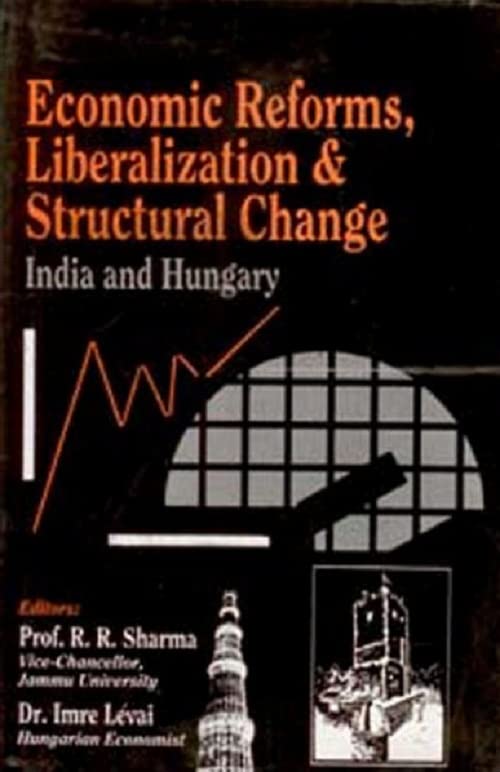
This compelling study examines how two distinct economies—India and Hungary—navigated economic liberalization and structural reform. Perfect for economics students, policy researchers, and readers interested in comparative development models, this book analyzes the mechanisms, impacts, and outcomes of reform initiatives in these two nations. At 230 pages, it offers deep insights into how different countries respond to economic challenges and opportunities. Whether you’re studying development economics or curious about India’s transformation since 1991, this is an essential reference that bridges theory and real-world policy implementation.
- ISBN-10: 9362804379
- ISBN-13: 978-9362804372
- Publisher: Gyan Publishing House
- Publication date: 1 January 2024
- Language: English
- Dimensions: 11 x 2 x 2 cm
- Print length: 230 pages
Frequently Asked Questions
What does this book cover about India’s economic liberalization?
This book provides a detailed comparative analysis of India’s economic reforms and liberalization policies, examining how structural changes transformed the Indian economy. It studies policy frameworks, impacts on various sectors, and outcomes since the liberalization era.
Is this book suitable for economics students?
Yes, this 230-page academic text is ideal for economics and development studies students. It offers rigorous analysis of structural economic change and policy implementation, making it valuable for coursework, research papers, and understanding comparative development models.
Why compare India and Hungary in economic reforms?
Both nations pursued distinct liberalization strategies with different starting conditions. Comparing them reveals how different institutional, political, and economic contexts shape reform outcomes and structural transformation—crucial for understanding development economics.
Where can I buy this book in India?
You can purchase Economic Reforms, Liberalization and Structural Change: India and Hungary online at The Bookish Owl at an affordable price. We deliver across India with secure checkout and multiple payment options.
Is this book relevant for IAS/UPSC preparation?
While not a primary UPSC text, this book provides valuable context on India’s economic policies and structural changes. It’s useful supplementary reading for candidates preparing for economics and current affairs topics related to India’s development and liberalization.