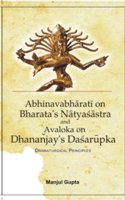
Description
This scholarly work offers a rigorous examination of two foundational Sanskrit texts that shaped Indian classical theatre. By studying Abhinabharati’s commentary on Bharata’s Natyasastra alongside Avaloka’s interpretation of Dhanajaya’s Dasarupaka, this book provides dancers, theatre practitioners, and Sanskrit scholars with deep insights into dramaturgical principles that governed ancient Indian performance traditions. At 376 pages, it’s an invaluable reference for anyone serious about understanding the philosophical and technical underpinnings of Bharatanatyam, Kathak, and other classical Indian arts. Essential for theatre students, cultural researchers, and practitioners seeking authentic sources.
- ISBN-10: 9362804360
- ISBN-13: 978-9362804365
- Publisher: Gyan Publishing House
- Publication date: 1 January 2024
- Language: English
- Dimensions: 12 x 3 x 3 cm
- Print length: 376 pages
Frequently Asked Questions
What is the Natyasastra and why is it important for Indian classical dance?
The Natyasastra is an ancient Sanskrit treatise on performing arts attributed to sage Bharata, considered the foundational text for Indian classical dance and theatre traditions like Bharatanatyam and Kathak. This book helps readers understand its core principles through expert commentary on the Abhinabharati, a comprehensive guide to how these techniques were historically applied.
Who should read this study of Abhinabharati and Avaloka?
This book is ideal for classical dance and theatre students, Sanskrit scholars, academics researching Indian performing arts, and serious practitioners who want to deepen their understanding of the philosophical foundations behind Bharatanatyam, Kathak, and other traditional forms. It’s also valuable for researchers exploring India’s theatrical heritage.
What is the Dasarupaka and how does it relate to dramaturgical principles?
The Dasarupaka is Dhanajaya’s Sanskrit text that classifies ten types of dramatic compositions. Avaloka is its commentary. Together, they explain the structural and thematic frameworks that govern drama—how stories are constructed, characters developed, and theatrical effects achieved in classical Indian theatre.
Is this book available in English, and what is the page count?
Yes, this study is published in English by Gyan Publishing House with 376 pages, making it accessible to scholars and students who may not read Sanskrit. The comprehensive coverage provides detailed analysis of both primary texts.
Where can I buy this book online in India?
You can purchase ‘A Study of Abhinabharati On Bharata’s Natyasastra and Avaloka On Dhanajaya’s Dasarupaka’ online at The Bookish Owl, India’s dedicated online bookstore for classical and scholarly works on Indian arts and culture.