Description
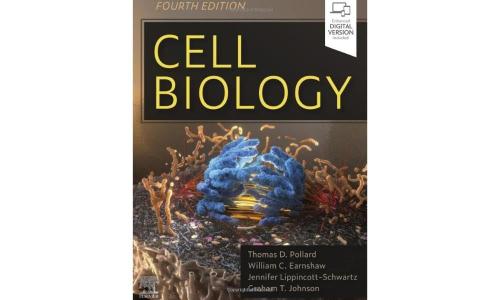
Whether you’re pursuing a BSc in Life Sciences, preparing for postgraduate medical entrance exams, or diving into cellular biology research, this 4th edition stands out as a trusted reference. Gerald Karp’s Cell Biology combines molecular mechanisms with real-world cellular processes—perfect for Indian college students and competitive exam aspirants. The hardback 2024 edition includes digital access, letting you reference concepts on your phone during practicals or revision sessions. At 918 pages, it’s thorough without being overwhelming. If you’re looking for a textbook that explains the “why” behind mitochondrial respiration, protein synthesis, and cell signaling, this is it. Many students find the diagrams and case studies particularly helpful during NEET PG and research entrance preparation.
- ISBN-10: 0323758002
- ISBN-13: 978-0323758000
- Edition: 4th
- Publisher: Elsevier – Health Sciences Division
- Publication date: 13 March 2023
- Language: English
- Dimensions: 22.4 x 3.4 x 28.3 cm
- Print length: 918 pages
Frequently Asked Questions
Is this the latest Cell Biology textbook edition?
Yes, this is the 4th edition published in March 2023 and printed in 2024. It includes the most recent cellular biology research and mechanisms. The access code grants you digital versions and supplementary online resources for the latest updates.
Can I use this book for NEET PG or medical entrance exam preparation?
Absolutely. Cell Biology by Gerald Karp is widely recommended for NEET PG, medical entrance exams, and biochemistry-heavy postgraduate programs. The molecular-level explanations and detailed illustrations make it ideal for competitive medical exam candidates in India.
What does the access code include?
The access code provides digital textbook versions, interactive diagrams, practice questions, and Elsevier’s online learning portal. You can access supplementary materials on smartphones, tablets, or computers—useful during lectures, practicals, and revision.
Is 918 pages too lengthy for regular study?
Not really. The 918 pages are well-organized into thematic chapters—you don’t need to memorize everything. Most students read selectively based on coursework or exam focus areas. The index and chapter summaries make it easy to navigate and revisit concepts quickly.
Does this book cover protein synthesis, cell signaling, and organelle function?
Yes, all three topics are covered extensively. The 4th edition includes updated sections on modern techniques like CRISPR gene editing, cell signaling cascades, and mitochondrial biology—essential for both undergraduate and postgraduate-level cell biology courses in India.

![Caged: Memories Have Names [Hardcover] Gulzar [Hardcover] Gulzar [Hardcover] Gulzar](https://thebookishowl.in/wp-content/uploads/2025/04/67efa874883df6475-600x840.jpg)