Description
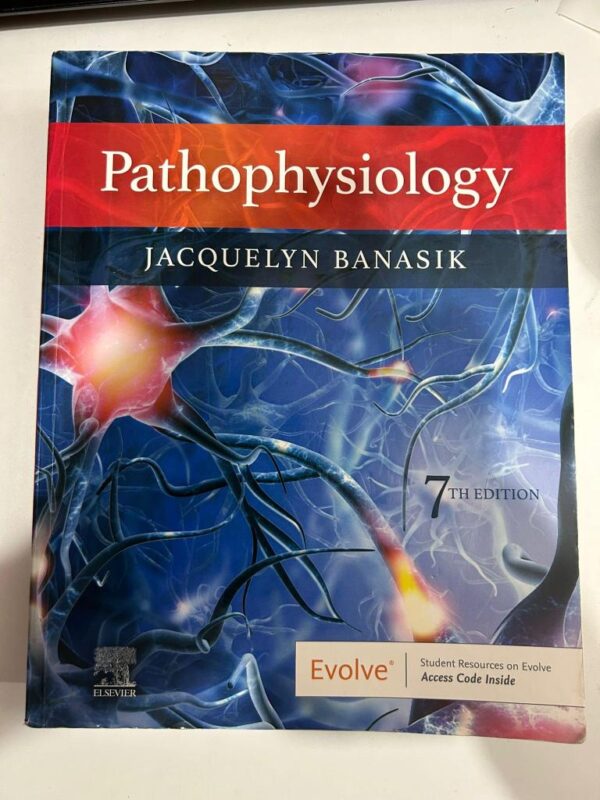
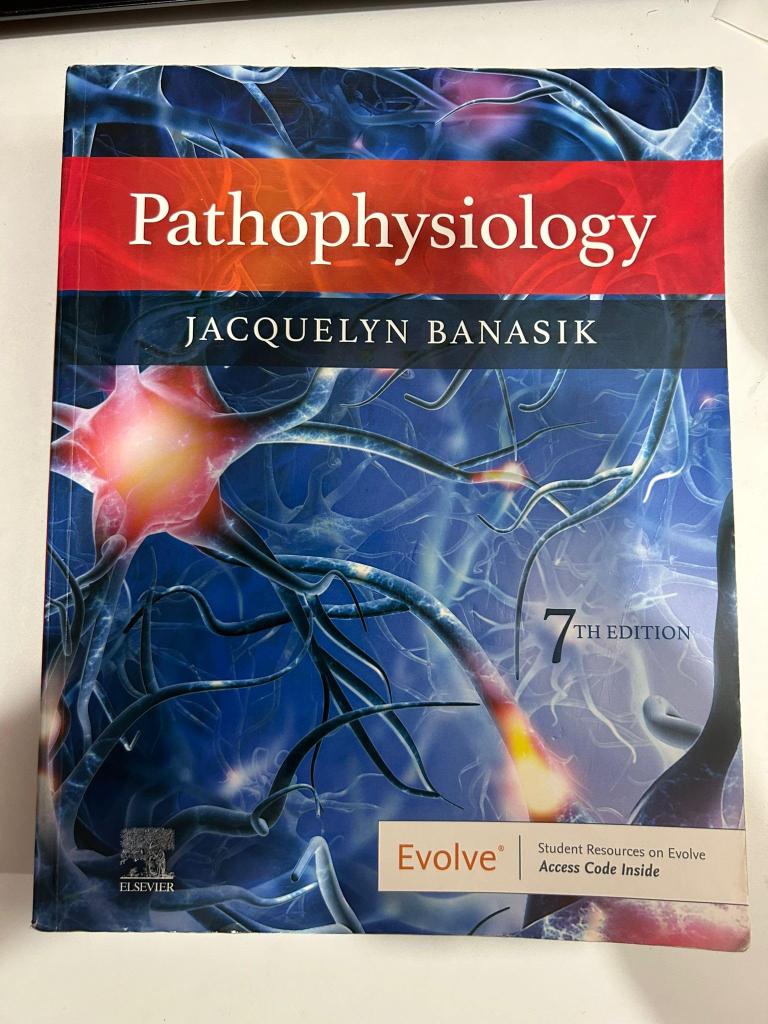
This comprehensive 954-page textbook is an essential reference for medical, nursing, and allied health students across India. The 7th edition (2022) presents complex physiological concepts with remarkable clarity through detailed illustrations, clinical correlations, and real-world examples. Whether you’re studying for board exams (NEET, AIIMS), clinical rotations, or building a strong foundation in how the human body functions in health and disease, this book breaks down pathophysiology into digestible, evidence-based explanations. Ideal for MBBS, BDS, nursing degree, and postgraduate medical preparation.
- Print length: 954 pages
- Language: English
- Publisher: ELSEVIER
- Publication date: 1 January 2022
- Dimensions: 27.5 x 4.5 x 21.8 cm
- ISBN-10: 0323751504
- ISBN-13: 978-0323751506
Frequently Asked Questions
Is Pathophysiology 7th Edition suitable for NEET and AIIMS preparation in India?
Yes, this is a gold-standard reference for medical entrance exams. While NEET focuses on basic physiology, many medical students use this 7th edition for deeper understanding of disease mechanisms, making it invaluable for college studies and postgraduate exams like PG entrance and specialist certification.
Can nursing students and physiotherapy students use this textbook?
Absolutely. This comprehensive pathophysiology textbook is widely recommended for B.Sc Nursing, M.Sc Nursing, and physiotherapy students in India. It provides the clinical depth required for understanding patient conditions across all health professions.
What’s included in the 7th edition (2022) of Pathophysiology?
The 7th edition features 954 pages covering organ system pathophysiology, pathogenic mechanisms, clinical applications, and updated illustrations. This 2022 release includes contemporary clinical examples and evidence-based content reflective of modern medicine.
How does this book compare to other pathophysiology textbooks available in India?
Elsevier’s Pathophysiology is considered the most clinically-oriented comprehensive textbook globally. It excels in explaining ‘why and how’ diseases develop, making it more detailed than condensed books yet more clinically relevant than purely theoretical texts.
What is the best way to use this textbook while studying?
Use it alongside your regular course materials and lectures. Read each chapter’s clinical correlations carefully, and refer to illustrations when concepts seem unclear. Many students use it for self-directed learning and exam preparation after completing their regular curriculum.