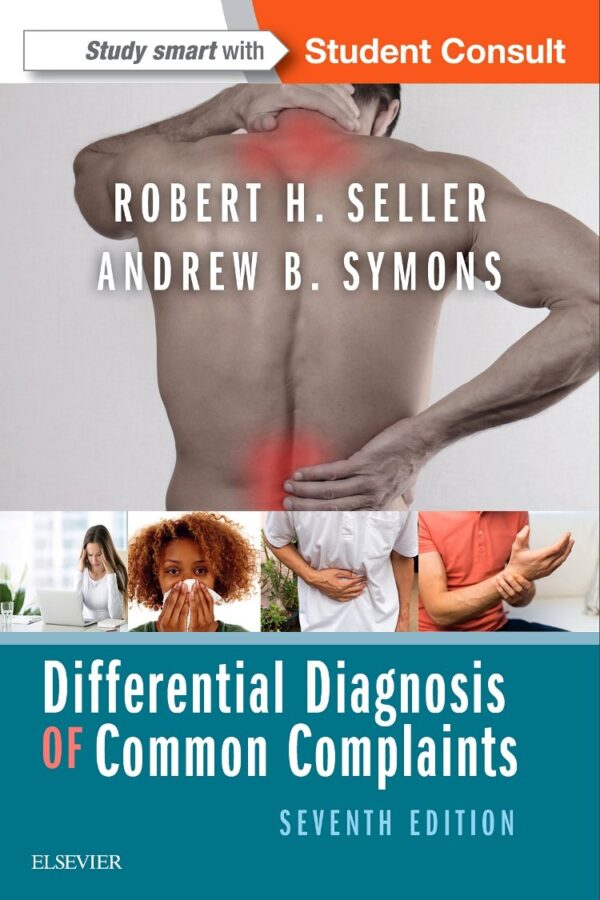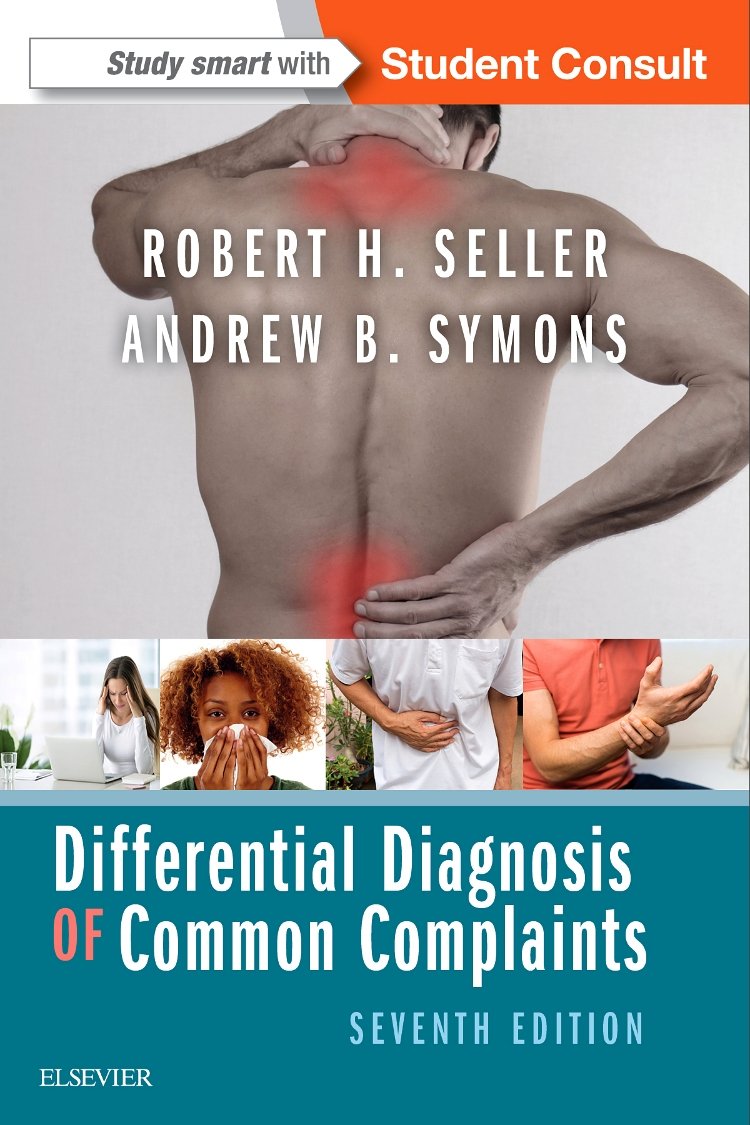
Description
If you’re a medical student, resident, or practising doctor in India, you know how overwhelming the list of differentials can feel. *Differential Diagnosis of Common Complaints* cuts through that complexity. This 7th edition gives you a structured, systematic approach to 60+ common clinical presentations—from chest pain to fatigue to dizziness. Each chapter walks you through the diagnostic process: what questions to ask, what findings matter, and how to narrow down your differential list. The Elsevier edition is trusted across Indian medical colleges and teaching hospitals because it’s practical, not theoretical. You’ll use this during rotations, in OPD, and when on-call. It’s the clinical problem-solver’s companion.
- ISBN-10: 0323512321
- ISBN-13: 978-0323512329
- Edition: 7th
- Publisher: Elsevier
- Publication date: 12 November 2017
- Language: English
- Dimensions: 15.24 x 1.52 x 22.86 cm
- Print length: 480 pages
Frequently Asked Questions
Who should buy Differential Diagnosis of Common Complaints 7ED?
This book is essential for MBBS students, interns, residents, and practising doctors. It’s especially valuable for those preparing for competitive exams like NEET PG, FMGE, and clinical rotations. Even experienced physicians use it as a quick reference for systematic diagnostic thinking.
How is this book different from other differential diagnosis guides?
Unlike symptom checkers, this Elsevier edition teaches you *why* certain diagnoses are more likely for a given presentation. Each chapter follows a structured clinical approach with real-world context, making it ideal for bedside practice and case discussions.
Is the 7th edition still relevant for Indian medical practice?
Yes, absolutely. The fundamental principles of differential diagnosis don’t change year to year. The 7th edition (2017) covers pathophysiology and clinical reasoning that remain the foundation of Indian medical education and NEET PG preparation.
Can I use this book for self-study or does it need a mentor?
This book is perfect for self-study. Its systematic approach means you can read any chapter independently. Many students use it during their clinical postings to deepen understanding of cases they’ve seen.
What format is this paperback edition and what’s the page count?
This is a 480-page paperback edition, published by Elsevier in 2017. The paperback format makes it portable for medical college libraries and personal study, and it’s more affordable than hardcover versions.