Description
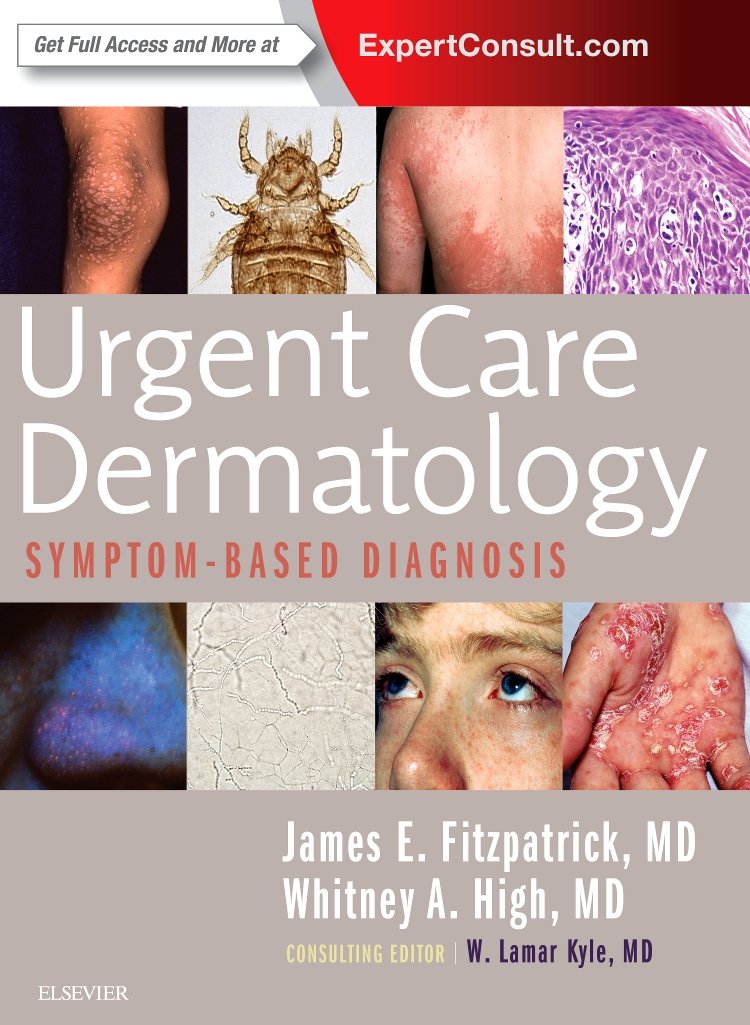
Whether you’re a medical student rotating through dermatology or a practitioner needing a quick, reliable reference during patient consultations, this 632-page clinical guide cuts through complexity with a straightforward symptom-based approach. Rather than abstract classifications, you’ll navigate skin conditions the way patients present them—by what they see and feel. The Elsevier publication combines high-quality clinical photography with concise diagnostic pathways, making it equally valuable for general practitioners reviewing dermatological emergencies and specialist residents building deep expertise. If you’ve struggled with dense dermatology texts that prioritize theory over practical recognition, this practical problem-solving framework will save you time in high-pressure care settings.
- ISBN-10: 0323485537
- ISBN-13: 978-0323485531
- Edition: 1st
- Publisher: Elsevier
- Publication date: 12 September 2017
- Language: English
- Dimensions: 18.42 x 1.91 x 25.4 cm
- Print length: 632 pages
Frequently Asked Questions
Is this the 2018 Elsevier Urgent Care Dermatology book suitable for Indian medical students?
Yes, this Elsevier publication is widely used in Indian medical colleges and hospitals. The symptom-based diagnostic approach aligns well with NEET and postgraduate dermatology curricula, making it essential reading for both undergraduates and specializing doctors.
What makes the symptom-based approach different from other dermatology textbooks?
Instead of organizing conditions by pathophysiology or disease category, this book presents dermatology the way patients arrive in clinics—with visible symptoms like rashes, blisters, or scaling. This makes diagnosis faster and more intuitive, especially in urgent care and primary care settings where you need quick decision-making.
Can I use this book for emergency dermatology consultations and referrals?
Absolutely. The compact, symptom-focused format makes it perfect as a desk reference during urgent consultations. Medical students and general practitioners often keep this on hand for quick differential diagnoses and management guidance.
How many pages and what’s the scope of conditions covered?
At 632 pages, it comprehensively covers acute and chronic dermatological presentations—from common rashes to serious skin emergencies. The clinical photographs help with visual diagnosis, essential for accurate recognition.
Is this book updated and current with modern dermatological practices?
The 2018 first edition from Elsevier reflects contemporary dermatological standards and evidence-based approaches. While always good to check your curriculum requirements, it remains a trusted reference for Indian medical institutions.