Description
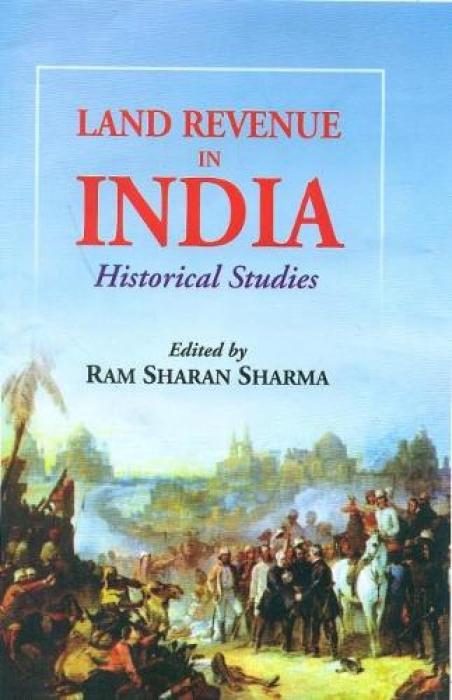
Understanding India’s land revenue system is crucial to grasping the economic foundations that shaped the subcontinent across centuries. This scholarly work by Motilal Banarsidass offers a methodical examination of how land taxation evolved from ancient times through the Mughal period and into British colonial rule. Rather than simply chronicling policies, the book analyzes the socio-economic impact of revenue collection methods on Indian society, agriculture, and governance structures.
Perfect for postgraduate students, researchers in economic history, civil services aspirants studying land reforms, and anyone interested in the administrative backbone of historical India. The 138-page hardcover presents complex fiscal systems in accessible academic prose, making it valuable both as a reference text and for comprehensive study. At ₹295, it’s an affordable addition to any serious collection on Indian history, offering insights that remain relevant to contemporary debates on agrarian policy and taxation. Motilal Banarsidass’s reputation for quality historical publications ensures scholarly rigor throughout.
- Publisher : Motilal Banarsidass; Second edition (1 January 2017); Motilal Banarsidass
- Language : English
- Hardcover : 138 pages
- ISBN-10 : 8120841026
- ISBN-13 : 978-8120841024
- Item Weight : 717 g
- Dimensions : 14 x 2 x 22 cm
- Country of Origin : India
- Importer : Motilal Banarsidass
- Packer : Motilal Banarsidass
- Generic Name : Book
Frequently Asked Questions
What topics does Land Revenue in India: Historical Studies cover?
This book provides comprehensive historical analysis of India’s land revenue systems from ancient periods through Mughal and British colonial eras. It examines taxation policies, their socio-economic impacts, and how revenue collection shaped Indian agriculture and governance structures over centuries.
Is this book suitable for UPSC civil services preparation?
Yes, it’s highly relevant for UPSC aspirants studying Indian economic history, land reforms, and administrative systems. The book offers detailed insights into historical land revenue policies that frequently appear in General Studies papers, making it a valuable supplementary resource.
Who should read Land Revenue in India Historical Studies?
This book is ideal for postgraduate history students, researchers in economic and agrarian history, civil services candidates, and scholars interested in India’s fiscal and administrative evolution. Its academic approach suits readers seeking rigorous historical analysis rather than general overviews.
What is the price and format of this book in India?
Land Revenue in India: Historical Studies is available as a 138-page hardcover edition for ₹295. Published by Motilal Banarsidass, it’s an affordable scholarly resource available for online purchase and delivery across India.
How does this book explain British land revenue policies in India?
The book analyzes British colonial land revenue systems including the Permanent Settlement, Ryotwari, and Mahalwari systems. It examines how these policies differed from earlier Mughal practices and their lasting impact on Indian agriculture, peasant economy, and social structures.