Description
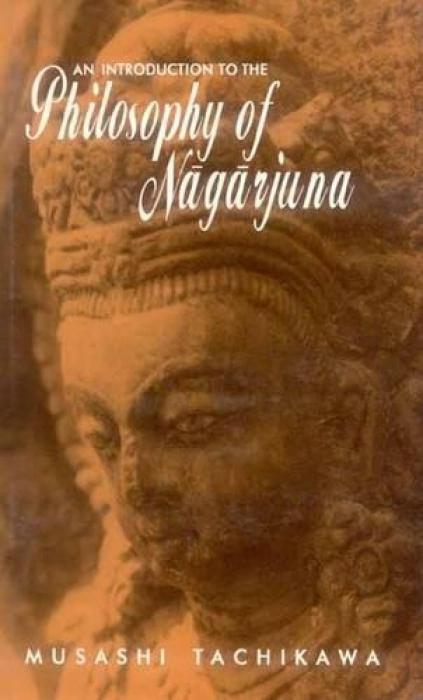
This scholarly work offers a systematic exploration of Nagarjuna’s profound philosophical contributions to Buddhist thought, focusing on his revolutionary concept of emptiness (sunyata) and the Madhyamaka school he founded in the 2nd century CE. Ideal for philosophy students, Buddhist studies scholars, and anyone seeking to understand one of India’s most influential thinkers, this hardcover edition presents complex ideas with clarity and academic rigor. The book examines Nagarjuna’s dialectical method, his critique of substance ontology, and how his “middle way” philosophy reconciles seemingly contradictory Buddhist teachings. Published by Motilal Banarsidass, a trusted name in Indian philosophical texts, this 217-page volume serves as both an accessible introduction for newcomers and a valuable reference for advanced students of Buddhist philosophy. Whether you’re studying comparative philosophy, Indian religious thought, or simply curious about the intellectual foundations of Mahayana Buddhism, this text provides essential insights into one of the world’s most sophisticated philosophical systems.
- Publisher : Motilal Banarsidass Publishers (1 January 1997)
- Language : English, Japanese
- Hardcover : 217 pages
- ISBN-10 : 8120814665
- ISBN-13 : 978-8120814660
- Item Weight : 500 g
- Dimensions : 14 x 4 x 20 cm
- Country of Origin : India
Frequently Asked Questions
What is Nagarjuna’s philosophy about?
Nagarjuna’s philosophy centers on the concept of emptiness (sunyata), which asserts that all phenomena lack inherent, independent existence. His Madhyamaka or ‘Middle Way’ approach avoids extremes of eternalism and nihilism, offering a profound analysis of reality that has influenced Buddhist thought for centuries.
Is this book suitable for beginners in Buddhist philosophy?
Yes, this introduction is designed to make Nagarjuna’s complex ideas accessible to newcomers while maintaining scholarly depth. It’s ideal for university students, philosophy enthusiasts, and anyone beginning their study of Buddhist thought, though some basic familiarity with Buddhism is helpful.
Who published this book on Nagarjuna in India?
This book is published by Motilal Banarsidass Publishers, one of India’s most respected publishers of philosophical and religious texts. The hardcover edition contains 217 pages and is available for ₹475 with delivery across India.
What topics are covered in this Nagarjuna philosophy book?
The book covers Nagarjuna’s dialectical method, his concept of emptiness (sunyata), the foundations of Madhyamaka philosophy, his critique of substance-based metaphysics, and how his teachings form a bridge between early Buddhism and Mahayana traditions. It provides both historical context and philosophical analysis.
Why is Nagarjuna important in Buddhist philosophy?
Nagarjuna (2nd century CE) is considered one of Buddhism’s most influential philosophers. He founded the Madhyamaka school, which became central to Mahayana Buddhism. His logical rigor and profound insights into emptiness shaped Buddhist thought across Asia and continue to fascinate philosophers worldwide.