Description
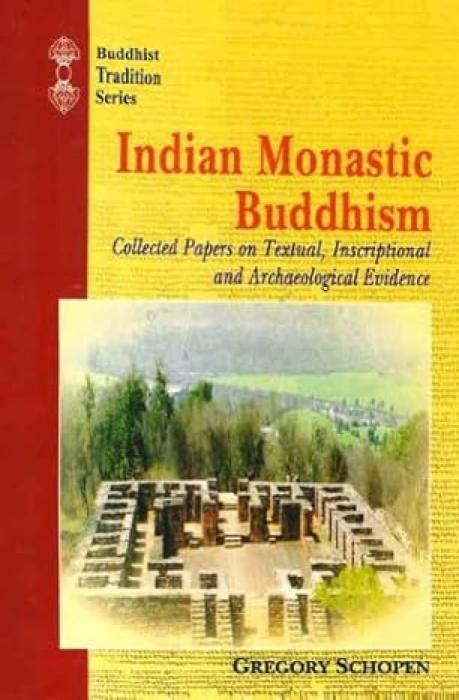
This groundbreaking collection brings together scholarly papers that revolutionize our understanding of Indian Buddhist monasticism through concrete evidence rather than idealized texts alone. Drawing on inscriptions, archaeological findings, and careful textual analysis, these papers reveal how Buddhist monks actually lived, owned property, engaged in economic activities, and organized their communities—often quite differently from normative accounts. Perfect for students and researchers of Indian Buddhism, religious studies, or South Asian archaeology, this volume challenges romanticized views of monastic life with hard evidence from the ground. The interdisciplinary approach combining epigraphy, archaeology, and textual scholarship makes it an essential resource for anyone seeking a historically grounded understanding of how Buddhist monasticism functioned in ancient India. Whether you’re writing a thesis, teaching a course, or deepening your knowledge of Buddhism’s institutional history, this collection offers invaluable insights unavailable in traditional Buddhist studies literature.
- Publisher : Motilal Banarsidass Publishers (1 January 2010); Motilal Banarsidass Publishers
- Language : English
- Paperback : 300 pages
- ISBN-10 : 8120834119
- ISBN-13 : 978-8120834118
- Item Weight : 500 g
- Importer : Motilal Banarsidass Publishers
- Packer : Motilal Banarsidass Publishers
- Generic Name : Book
Frequently Asked Questions
Who is the author of Indian Monastic Buddhism?
Indian Monastic Buddhism is authored by Gregory Schopen, a renowned scholar of Indian Buddhism and Distinguished Professor known for his pioneering work using inscriptional and archaeological evidence to understand Buddhist monastic life. His research has fundamentally changed how scholars view ancient Buddhist institutions.
What topics does Indian Monastic Buddhism cover?
This book covers Buddhist monastic life through textual, inscriptional, and archaeological evidence. It examines property ownership by monks, economic activities of monasteries, monastic organization, and the actual practices of Buddhist communities in ancient India, often challenging idealized textual accounts with concrete material evidence.
Is Indian Monastic Buddhism suitable for academic research?
Yes, this is an essential academic resource widely cited in Buddhist studies, religious studies, and South Asian archaeology. The collection is ideal for graduate students, researchers, and professors studying Indian Buddhism, monastic institutions, or ancient Indian history through interdisciplinary methodologies.
Where can I buy Indian Monastic Buddhism online in India?
You can buy Indian Monastic Buddhism online at The Bookish Owl (thebookishowl.in) for ₹945. Published by Motilal Banarsidass, this 300-page paperback edition is in stock and ready for delivery across India.
What makes this book different from other books on Buddhism?
Unlike books that rely solely on canonical Buddhist texts, Indian Monastic Buddhism uses inscriptions, archaeological findings, and material culture to show how Buddhist monks actually lived. This evidence-based approach reveals significant differences between idealized textual descriptions and historical reality, offering a more authentic picture of monastic Buddhism.