Description
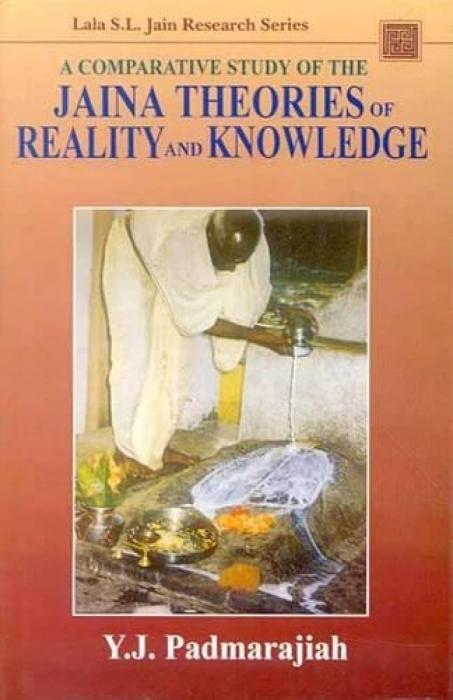
This is a rigorous scholarly examination of Jaina philosophical thought, exploring how Jainism approaches fundamental questions about the nature of reality and the sources of knowledge. Originally published in 1986 by Motilal Banarsidass—India’s premier academic publisher for Eastern philosophy—this 434-page study remains essential reading for philosophy students, religious scholars, and anyone serious about understanding Indian metaphysical systems. The book synthesizes complex Jaina concepts with comparative clarity, making it valuable both for academic coursework and independent scholarly pursuit. If you’re studying Indian philosophy, epistemology, or Jainism specifically, this is a foundational text that bridges classical thought with modern analytical frameworks.
- Publisher : Motilal Banarsidass Publishers (1 January 1986)
- Language : English
- Hardcover : 434 pages
- ISBN-10 : 8120800362
- ISBN-13 : 978-8120800366
- Item Weight : 500 g
Frequently Asked Questions
What topics does this book cover in Jaina philosophy?
This comparative study examines Jaina theories of reality (ontology) and knowledge (epistemology), including core concepts like multiplicity of perspectives (anekantavada), the nature of the soul, and different sources of valid knowledge within the Jain tradition.
Is this book suitable for university courses in Indian philosophy?
Yes, this is a rigorous academic textbook commonly used in philosophy departments and religious studies programs. At 434 pages with scholarly depth, it’s designed for undergraduate and postgraduate students studying comparative philosophy and Indian metaphysics.
What makes Motilal Banarsidass publications reliable for Jainism?
Motilal Banarsidass is India’s most established academic publisher specializing in Eastern philosophy and Sanskrit texts. Their books undergo scholarly peer review and are trusted by universities across India and internationally.
Can I understand this book without prior philosophy background?
The book is written at an academic level, assuming some familiarity with philosophical terminology. However, the comparative approach helps readers understand Jaina concepts in relation to other systems, making it accessible to serious students willing to engage with complex ideas.
Why buy this 1986 book when newer philosophy texts exist?
This foundational study remains authoritative because Jaina philosophical principles haven’t changed; what matters is rigorous analytical treatment. The 1986 publication is a classic that established the framework many modern scholars still reference.


![Caged: Memories Have Names [Hardcover] Gulzar [Hardcover] Gulzar [Hardcover] Gulzar](https://thebookishowl.in/wp-content/uploads/2025/04/67efa874883df6475-600x840.jpg)