Description
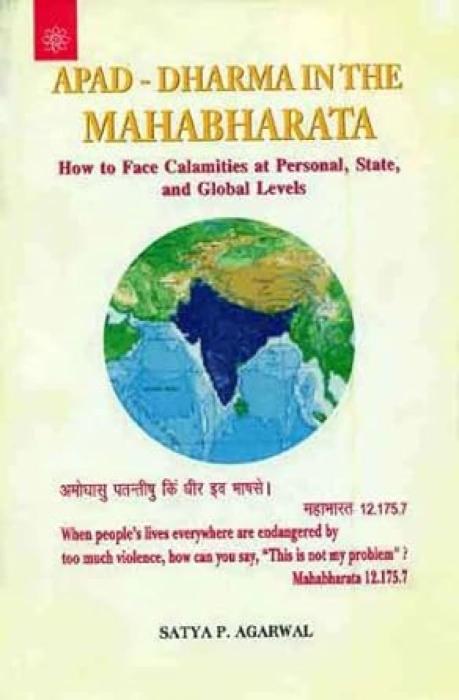
Apad explores one of the Mahabharata’s most profound teachings—how to maintain dharma when facing personal crises, societal collapse, or global threats. Drawing from Mahabharata 12.175.7, this 300-page study examines the timeless question: “This is not my problem”—a phrase that haunts our modern world. In an era of climate anxiety, political upheaval, and personal hardship, this book reconnects readers with classical Hindu philosophy’s practical response to calamity. Whether you’re studying Vedantic thought, seeking spiritual grounding during uncertain times, or researching the Mahabharata’s philosophical depth, this edition from the prestigious Motilal Banarsidass publisher offers accessible English translation with scholarly rigor. Essential reading for dharma seekers and spirituality students in India.
- Publisher : Motilal Banarsidass Publishers (1 January 2010)
- Language : English
- Paperback : 300 pages
- ISBN-10 : 8178223619
- ISBN-13 : 978-8178223612
- Item Weight : 500 g
- Country of Origin : India
Frequently Asked Questions
What does ‘Apad’ mean in the Mahabharata?
Apad refers to calamity, distress, or times of danger. In the Mahabharata context (12.175.7), it addresses how to uphold dharma even when facing personal, societal, or global crises. This book explores the philosophical framework for ethical action during difficult times.
Who should read this book on Mahabharata dharma?
This book is ideal for Hindu philosophy students, spirituality seekers, dharma practitioners, and anyone interested in classical Indian wisdom on ethics and responsibility. It’s particularly valuable for those navigating modern crises through ancient philosophy.
Is this book available online in India?
Yes, you can buy Apad: Dharma in the Mahabharata online at The Bookish Owl for ₹225. It’s published by Motilal Banarsidass, India’s leading Hindu and Sanskrit publisher, with 300 pages of English text.
What is Mahabharata 12.175.7 about?
This sloka addresses the tension between personal responsibility and detachment—when calamity strikes, how do we act morally? The Mahabharata’s answer transcends the ‘not my problem’ mentality and offers a dharmic framework for global consciousness.
How does this book relate to modern crises?
While rooted in ancient philosophy, Apad applies Mahabharata teachings to contemporary challenges like climate change, social instability, and personal hardship. It bridges classical dharma with 21st-century ethical questions about collective responsibility.