Description
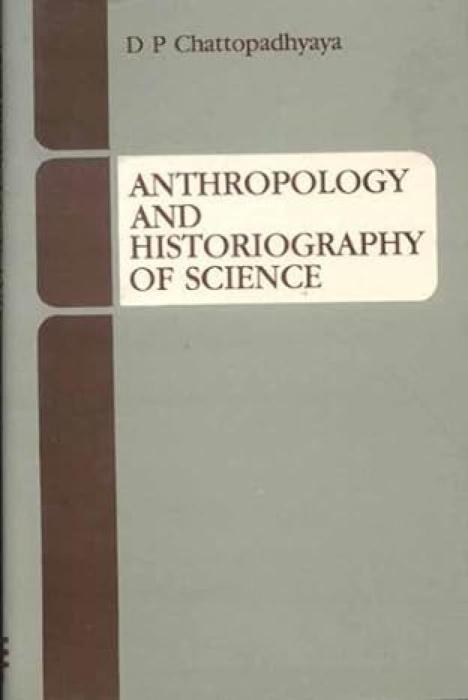
This scholarly work bridges anthropology and the history of science, examining how scientific knowledge emerges within specific cultural and social contexts. A crucial read for students of philosophy, sociology, and science studies in India, it challenges the notion of science as purely universal and objective. Perfect for academic libraries, researchers investigating science-society relations, and anyone seeking to understand how science shapes—and is shaped by—human civilization. At ₹595, this Motilal Banarsidass edition offers accessible entry into a sophisticated intellectual domain.
- Publisher : Motilal Banarsidass Publishers; New edition (1 January 1992)
- Language : English
- Paperback : 296 pages
- ISBN-10 : 8120809548
- ISBN-13 : 978-8120809543
- Dimensions : 14 x 4 x 20 cm
Frequently Asked Questions
What is the main focus of Anthropology and Historiography of Science?
This book explores the cultural and social dimensions of scientific knowledge, examining how science develops within specific historical and anthropological contexts. It questions traditional views of science as purely objective and universal, making it essential for understanding science-society relationships.
Who should read this book?
It’s ideal for students of anthropology, philosophy, history, and science studies; academic researchers; librarians; and anyone interested in how science interacts with culture and society. It suits advanced undergraduate and postgraduate readers seeking rigorous intellectual engagement.
Is this book suitable for academic research in India?
Yes, absolutely. Published by the respected Motilal Banarsidass, a leading academic publisher, this 296-page work serves as a reference text in Indian universities for courses on history of science, sociology, and critical science studies.
What publisher is this book from?
Motilal Banarsidass Publishers, one of India’s oldest and most respected academic publishers, known for publishing scholarly works in philosophy, humanities, and social sciences since 1924.
How many pages does this book have?
The book contains 296 pages, providing in-depth exploration of the themes connecting anthropology, historiography, and the development of scientific thought across cultures and time periods.