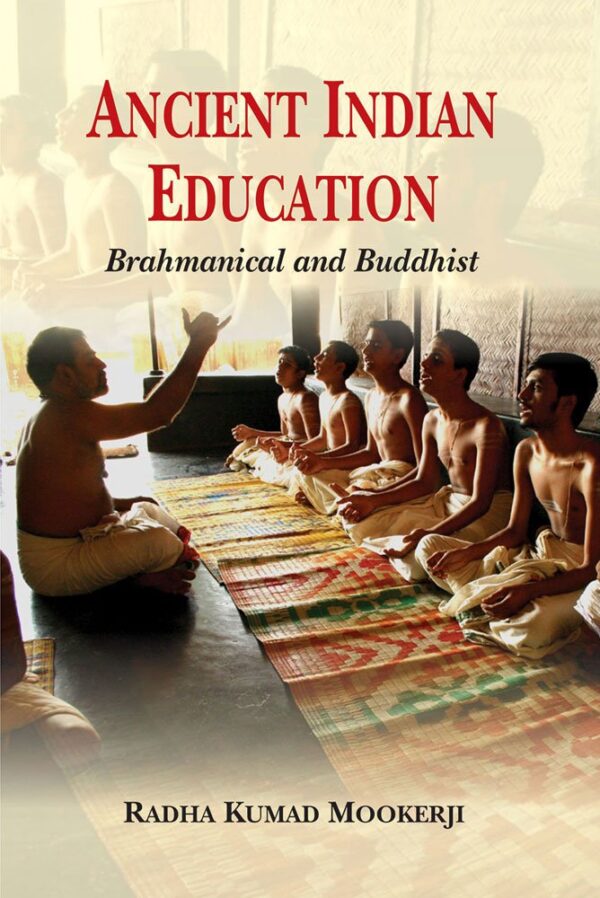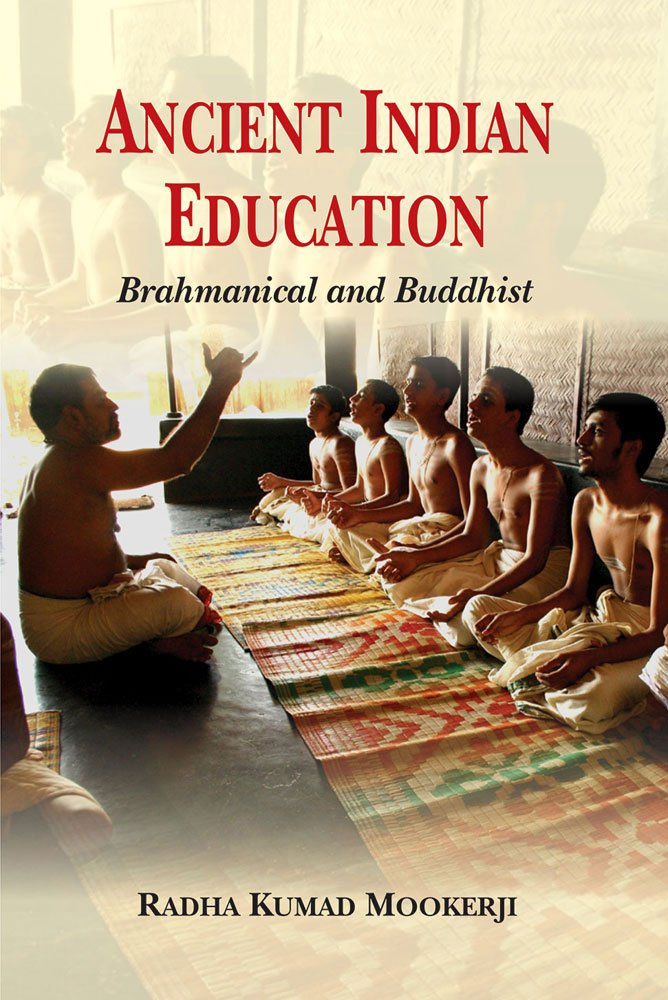
Description
This comprehensive 690-page scholarly work offers an in-depth exploration of educational philosophies and systems in ancient India, examining both Brahmanical and Buddhist traditions side by side. Ideal for history scholars, philosophy students, educators, and anyone fascinated by how civilizations shaped intellectual development, this book traces the evolution of gurukul systems, monastic education, and the role of knowledge transmission in ancient Indian society. The 8th edition from Motilal Banarsidass remains a definitive academic resource that bridges classical Indian thought with contemporary educational theory. Perfect for academic research, competitive exam preparation (UPSC, history majors), and deepening your understanding of India’s intellectual heritage.
- Publisher : Motilal Banarsidass; 8th edition (1 January 2016)
- Language : English
- Hardcover : 690 pages
- ISBN-10 : 8120804236
- ISBN-13 : 978-8120804234
- Item Weight : 500 g
- Country of Origin : India
Frequently Asked Questions
What are the main topics covered in Ancient Indian Education: Brahmanical and Buddhist?
This book provides a detailed comparison of Brahmanical and Buddhist educational systems in ancient India, including gurukul traditions, monastic education, curriculum structures, teacher-student relationships, and the philosophical foundations of knowledge transmission. It explores how both traditions influenced intellectual development across ancient Indian civilization.
Is this book suitable for UPSC and history exam preparation?
Yes, this is an excellent resource for UPSC aspirants, history students, and those preparing for competitive exams. The 690-page comprehensive analysis of ancient Indian education systems provides deep contextual knowledge required for history optional and general studies papers.
Who should read this book on ancient Indian education?
History scholars, philosophy students, educators, UPSC aspirants, researchers, and anyone interested in understanding India’s intellectual heritage will find this invaluable. It’s particularly useful for those studying comparative education systems, Buddhist philosophy, and classical Indian civilization.
What edition is this and when was it published?
This is the 8th edition published by Motilal Banarsidass on January 1, 2016. The book has been recognized as a standard academic text, with multiple editions reflecting its enduring relevance in academic circles.
Is this a hardcover book and how many pages does it have?
Yes, this is a hardcover edition with 690 pages, making it a substantial academic reference work. The hardcover binding ensures durability for repeated academic reference and study.