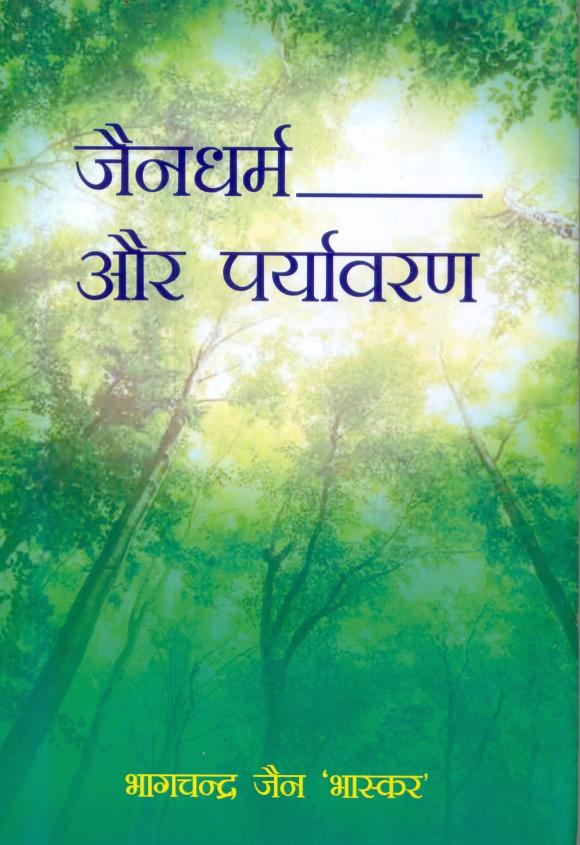
Description
Jainadharma aura Paryavarana is a thoughtfully researched exploration of how Jain philosophy addresses environmental responsibility and sustainability. Across 234 pages, this Hindi-language work bridges ancient Jain teachings with contemporary ecological concerns—making it essential reading for anyone seeking to understand the intersection of faith, ethics, and nature conservation. Whether you’re a philosophy student, spiritual seeker, or environmentally conscious reader, this book offers unique insights into how Jainism’s core principles of non-violence (ahimsa) extend to our relationship with the natural world. Published by Nyu Bharatiya Buka Karporesana, it’s a rare Hindi text that combines scholarly depth with accessible language. Perfect for reading groups, personal study, or gift-giving to those interested in Eastern philosophy and green living.
- Publisher : Nyu Bharatiya Buka Karporesana (1 January 2019)
- Language : Hindi
- Hardcover : 234 pages
- ISBN-10 : 8187418133
- ISBN-13 : 978-8187418139
Frequently Asked Questions
What does Jainadharma aura Paryavarana discuss?
This book explores the relationship between Jain philosophy (Jainadharma) and environmental conservation (Paryavarana). It examines how Jain principles of non-violence and sustainability can address modern ecological challenges, making it relevant for both spiritual and environmental readers.
Is this book suitable for beginners interested in Jainism?
Yes. While the book is scholarly, it’s written in accessible Hindi and doesn’t require prior knowledge of Jain philosophy. It’s ideal for anyone curious about how ancient religious teachings can guide modern environmental responsibility.
How many pages is the Hindi edition?
The book contains 234 pages and is published in Hindi by Nyu Bharatiya Buka Karporesana. It’s a substantial, well-researched exploration suitable for serious readers.
Can I buy Jainadharma aura Paryavarana online in India?
Yes, you can order this Hindi edition online at The Bookish Owl for ₹420. We offer fast delivery across India with secure payment options.
Who should read this book?
Philosophy students, Jain community members, environmentalists, and anyone interested in Eastern spirituality will find value. It’s also excellent for book clubs exploring religion, ethics, and sustainability.